Published on: 20 April 2026
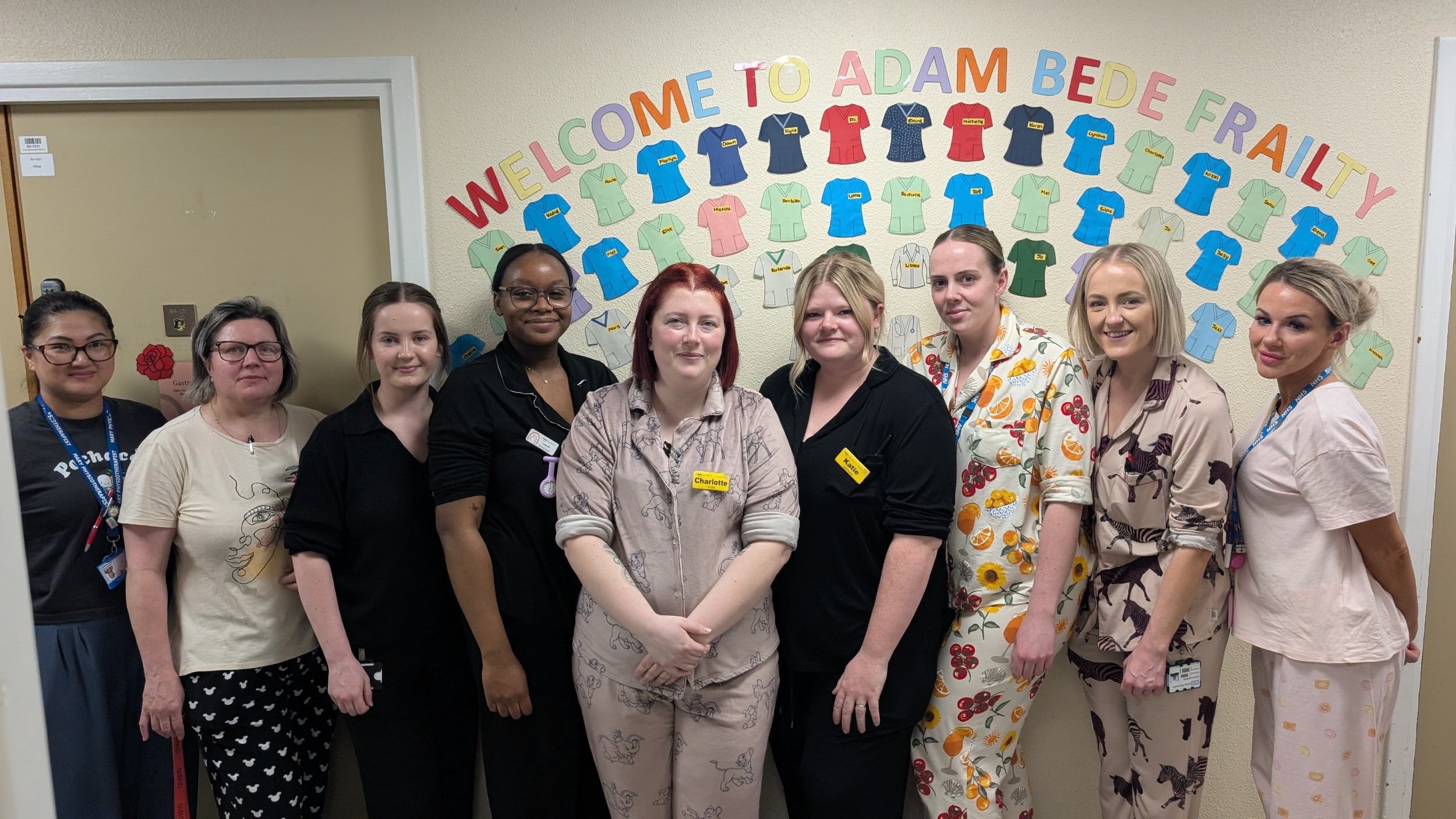
As part of Preventing Deconditioning Week across the Hospital, “Pyjama Day” is being held to prompt an important conversation: ‘recovery should not happen in bed unless it is clinically necessary.’
Hospital-acquired deconditioning is a significant and preventable source of harm. Evidence shows that up to 60% of older patients experience functional decline during hospitalisation. For patients over 80, just 10 days of bed rest can equate to 10 years of muscle ageing.
Inactivity in hospital is linked to accelerated muscle loss, reduced bone density, malnutrition, delirium, sensory deprivation, and increased reliance on continence support. In vulnerable adults, muscle strength can decline by as much as 5% per day.
The message is clear. Movement is not optional; it is essential to recovery.
Throughout the day, the pyjama clad team focused on embedding simple, consistent actions into patient care to reduce the risks of deconditioning.
Patients were actively supported to get up, get dressed, and engage in daily activities wherever it was safe to do so. This has been replicated across the hospital with it becoming the norm for patients experience at George Eliot Hospital.
A key part of this approach is encouraging patients to wear their own clothes rather than hospital gowns. This promotes a sense of normality, dignity, and independence, while also supporting mobility and engagement. Being dressed for the day reinforces the mindset of recovery and helps patients take a more active role in their care.
Alongside this, staff prioritised small, frequent movements:
- Sitting out of bed for meals
- Standing to wash and dress
- Walking short distances, including to the toilet, reducing reliance on catheters and incontinence products
- Changing position regularly to maintain strength and prevent complications
These interventions may appear simple, but their impact is significant. Regular movement supports muscle strength, maintains balance, reduces complications, and can shorten length of stay.
Every interaction between staff, patients, and families was used as an opportunity to encourage mobility, support safe activity, and challenge unnecessary bed rest. Families were also engaged in understanding how they can support their loved ones to stay active during their hospital stay.
Ensuring patients can move is vital to their long-term health outcomes. Without it, recovery is delayed, independence is reduced, and the risk of long-term harm increases.
“Move More. Heal Faster.” is not just a message for the week, Preventing Deconditioning Week reinforces a simple but critical principle: helping patients stay active is fundamental to helping them recover safely, maintain their independence, and return home sooner.